The Room Where the Story Gets Trimmed: Documentary Editors and the Cut You Never See
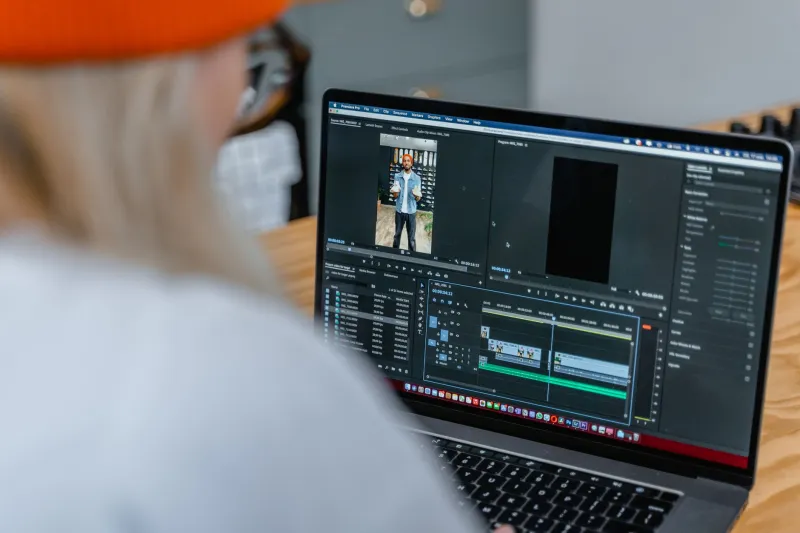
Documentary audiences like to imagine that truth is captured. The camera rolls, a subject opens up, and the story arrives in the theater fully formed. Editors know better. Truth is assembled—sometimes painfully, often provisionally—in a quiet room with stale coffee, a glowing timeline, and a thousand small decisions about what the audience will never see.
That room is the real site of documentary storytelling. It’s also the place where independent films take their biggest ethical risks. A director may build trust on set, but an editor decides how that trust gets used. A producer may secure releases, but an editor decides whether a vulnerable moment earns its place. The final cut is never just a sequence of shots. It is an argument about whose version of events feels true enough to release into the world.
The Edit Is the Argument
Most viewers think of editing as rhythm: when to cut, when to hold, when to let silence do the work. Documentary editors will tell you it is also jurisprudence. Every scene can expose a subject, imply guilt, flatten a community, or turn a complicated person into a symbol. The edit is where the film’s moral posture gets locked.
“You are always building a case you can live with,” one New York-based editor told me, speaking on background because she was mid-project. “Not a legal case, necessarily. A human one. You have to be able to sit with the subject and explain why you kept that scene.”
That explanation is rarely simple. Recent independent docs show how deep the problem runs. In “Daughters” (2024), the filmmaking team spent years with incarcerated fathers and their daughters; the emotional power of the footage depends on intimacy, which makes every inclusion feel like both a gift and a trespass. In “Sugarcane” (2024), an investigation into abuse at a Canadian residential school required editors to balance survivor testimony, institutional denial, and the risk of reinscribing trauma. In “No Other Land” (2024), the stakes were even more visible: footage of displacement and violence had to be shaped while the people on screen were still living inside the consequences.
These films are not unusual. They are the norm for independent documentary, where access is hard-won and subjects are often not powerful institutions but people who trusted a camera crew.
Consent Is a Timeline, Not a Checkbox
Release forms matter, but they do not solve the editing problem. Consent is not a single signature; it is a relationship that changes as the film changes. A subject may agree to be filmed during a crisis and feel differently when the crisis becomes a festival talking point. An editor may discover, months into the cut, that a seemingly innocent scene reveals something the subject never intended to share.
The best independent editors build consent into the timeline. They screen cuts for subjects. They flag moments that feel legally safe but ethically shaky. They ask whether a scene is necessary or merely vivid. That process can be slow, awkward, and expensive—especially on a documentary budget—but it is often the difference between a film that respects its people and one that simply uses them well.
Legal Risk Has a Runtime
Lawyers usually enter late, but editors shape legal risk early. Defamation, privacy, rights clearance, and contractual limits all live inside the footage. A cut that implies wrongdoing can create exposure even if the narration never says it. A single reaction shot can change the meaning of a sentence. Documentary editors learn to think like fact-checkers and defense attorneys at the same time.
That pressure is especially sharp for indie teams without studio legal departments. An editor may be the first person to notice that a subject’s allegation needs more corroboration, or that a location has become identifiable in a way the release does not cover. The fix is not always dramatic. Sometimes it is a title card, a blurred sign, a trimmed pause, or a phone call. Sometimes it is cutting a beautiful scene because it cannot be defended.
What Audiences Accept as Truth
Here’s the uncomfortable part: audiences do not experience the edit as an edit. They experience it as reality with a soundtrack. That is why documentary editors carry an outsized responsibility. They are not just shaping a story; they are shaping the public’s sense of what happened.
The invisible cut is not a betrayal of documentary truth. It is the condition of it. Someone has to decide which two hours stand in for months or years of footage. Someone has to choose the order, the context, the omissions. The honest films do not pretend otherwise. They carry the trace of those decisions—in their pacing, their restraint, their willingness to leave the audience with a question instead of a verdict.
That is the behind-the-visible work of documentary: not simply showing what happened, but deciding what the frame can bear. The editors in that room are not hiding the truth. They are trying to make a version of it that can survive the light.