The Policy Note in the Margin: Inside the E&O Read That Edits an Indie Doc
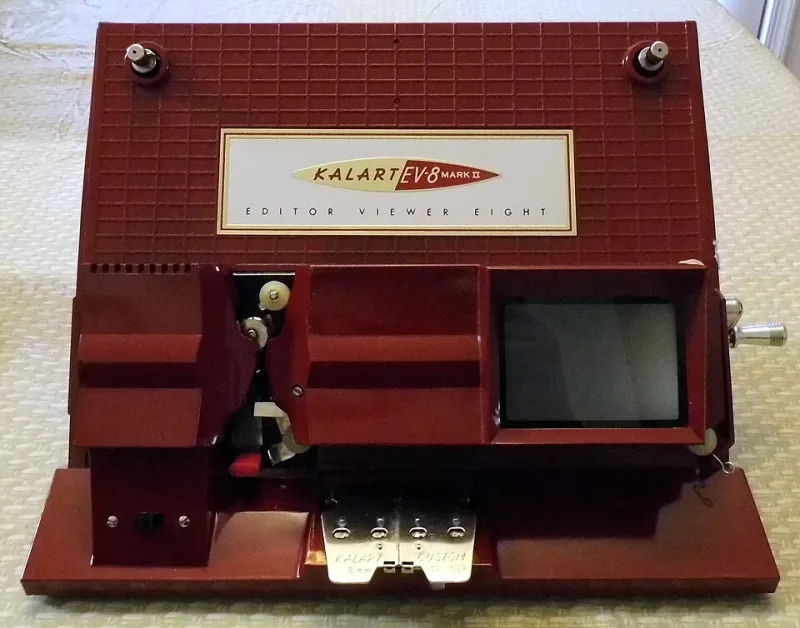
Photo: Joe Haupt from USA, CC BY-SA 2.0, via Wikimedia Commons
Picture lock has a way of feeling final. The mix is done, the color is approved, the DCP is sitting on a drive, and the director is finally answering emails at a normal hour. Then the distributor’s business affairs person sends the checklist, and somewhere near the bottom is the line that resets everything: E&O package required before delivery.
Errors and omissions. The phrase sounds like a clerical formality. In practice, it’s the last serious read an independent documentary gets—and one of the few that can still send a filmmaker back into the timeline.
The Email That Arrives After Picture Lock
An E&O policy is liability insurance for the stuff a film might get sued over: defamation, invasion of privacy, unauthorized use of someone’s name or likeness, trademark, copyright in footage or music, and the vague catch-all of “unfair competition.” Most US distributors won’t release a doc without it. Neither will many streamers, broadcasters, or sales agents. The policy is usually a claims-made contract—meaning it covers claims reported during the policy period—and the distribution agreement will specify limits, often $1 million per claim and $1 million aggregate, sometimes more.
But the premium isn’t the hard part. The hard part is the underwriting review that comes before the policy is bound. An underwriter doesn’t just want a check. They want to know what’s in the film. And to find out, they read the script, the transcript, the clip log, the music cue sheet, the releases, and—critically—they watch the cut.
What comes back is not a creative note. It’s a list of exposures. But to a filmmaker staring at a locked edit, it can feel like the most consequential set of notes the film has ever received.
What an Underwriter Is Actually Reading For
Clearance counsel and underwriters tend to look at a documentary through a different lens than an audience does. They’re not asking whether a scene works. They’re asking who could sue, over what, and how a court in the film’s most likely jurisdiction would see it.
That means the private individual who appears for ninety seconds in a hospital waiting room and never signed a release. The named business owner accused, on camera, of a crime for which no one was ever charged. The song playing on a car radio in a scene that otherwise has cleared music. The recognizable logo on a hoodie in a tight close-up. The secretly recorded audio that carries the film’s most damning quote. The archival clip whose license covers “festival exhibition only” and not streaming.
Defamation is the headline risk, but it’s rarely the only one. Underwriters think about “false light”—a closely related tort that punishes misleading implications even when the facts are technically accurate. They think about right of publicity, which in states like California and New York protects a person’s name, voice, and likeness from commercial use. They think about the privacy tort of public disclosure of private facts. They think about trademark, which can be triggered by more than a logo: a fictional business name, a branded product used as a prop, a sign in the background.
The questions are specific because the law is specific. To prove defamation of a private figure, a plaintiff usually has to show a false statement of fact “of and concerning” them, published with fault. A documentary that says “allegedly” but cuts to a shot of a man in handcuffs is making an argument no disclaimer can fully undo.
The Notes That Land Like Edit Notes
Here’s where the E&O read gets interesting. Underwriters don’t usually demand changes themselves—they flag risk and let the producer and their counsel decide. But those flags become notes. And those notes become edits.
Sometimes the fix is small: add a lower-third that says charges were dropped; bleep a name; blur a license plate; replace a needle-drop with a cleared track; drop six seconds of a background television. Sometimes it’s structural: remove an entire archival sequence, cut a secondary character whose release was never obtained, or reframe a scene so it no longer implies wrongdoing by an identifiable person.
The strange part is that these changes rarely show up in reviews. A festival audience will never know that the version they saw in March had a different opening montage than the version that streams in the fall. The film’s public record will show one cut. The paper trail will show another.
Why Filmmakers Sign the Reservation
Producers sometimes push back—fair use, First Amendment, journalistic purpose. And sometimes they’re right. A strong fair-use opinion letter from counsel can satisfy an underwriter on a clip that would otherwise be a problem. A well-drafted release can cure a privacy concern. A defamation review can conclude that a statement is substantially true or protected opinion.
But the math is brutal. A distributor won’t deliver without E&O. A sales agent won’t rep a film without it. A streamer’s legal team won’t touch it. So the filmmaker makes a choice: negotiate the note, document the rationale, or make the cut. The policy gets bound, the film gets delivered, and the release date holds.
What’s left is a quiet kind of authorship. Not the authorship of the director, exactly. More like the authorship of everyone who had to sign off before the film could be seen. Clearance counsel, the underwriter, the distributor’s business affairs department—they don’t get credit cards. They get a line in the delivery schedule.
The Architecture You Don’t See on Screen
Documentary has a long tradition of celebrating the visible: the lucky shot, the confessional interview, the archival image that lands like a punch. But every finished indie doc also carries an invisible architecture of risk management. Releases, licenses, opinion letters, clip logs, and the underwriter’s read are part of the film’s DNA, even if they never appear on screen.
So the next time a documentary feels suspiciously careful—a little too quick to add “alleged,” a little too vague about a company name, a little too clean in the background of a street scene—it’s worth remembering that someone read that film for liability before you ever saw it. The E&O review isn’t the story. But it shapes the story you get.