Staged, Not Invented: The Reenactment Label That Keeps an Indie Doc Honest
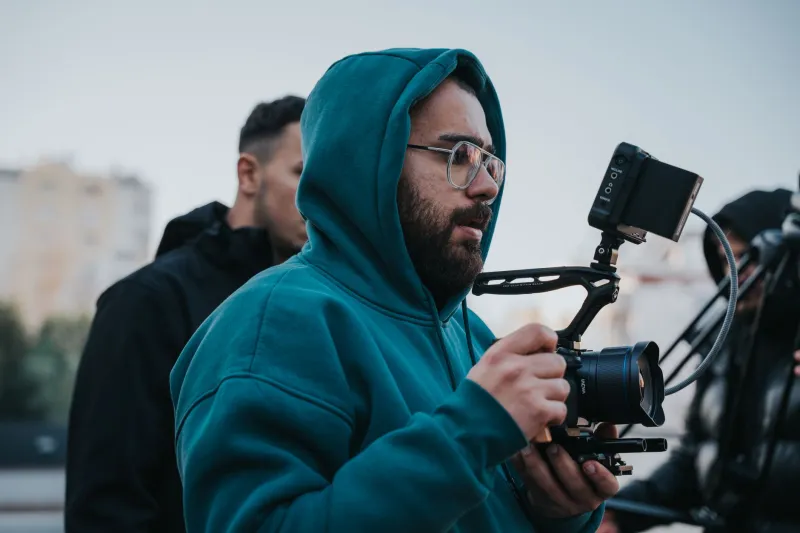
There is a moment in a lot of independent documentaries when the screen shows something the camera could not possibly have captured. A phone rings in a dim kitchen. A witness walks through a doorway. A car pulls away. It looks like memory, feels like evidence, and is actually a small crew, a rented lens, and a decision made months earlier in an edit bay.
That is not a scandal. Reenactments have been part of documentary storytelling for as long as there have been documentaries. But in an era when audiences are trained to screenshot, pause, and fact-check, the label matters more than ever. The question is not whether an indie doc staged a moment. It is whether the film tells you what you are looking at.
The Label Is Part of the Shot
Most documentary teams do not set out to confuse anyone. The trouble is that staging is contagious. A director wants a visual bridge between two interviews. An editor wants to cover a narration line. A producer wants the film to feel cinematic enough for a festival slot. Before long, the crew is shooting a scene that reads like archival footage but has no archival source at all.
The fix is not always a giant on-screen disclaimer. Many US doc teams use a layered approach: a lower-third note, a recurring visual grammar, and a clear explanation in the credits. Some films use a single title card early on that says reenactments are used. Others mark each staged sequence with a subtle but consistent treatment. The goal is not to interrupt the story every thirty seconds. The goal is to make sure no reasonable viewer walks away believing they saw a real recording when they did not.
That is especially important in the true-crime and historical corners of the independent doc world, where audiences arrive with a hunger for evidence. A grainy reenactment can feel more authentic than a clean interview. That is exactly why it needs a label.
Archive, Memory, Interpretation
A useful way to think about this is the three-bucket test. Bucket one is archival material: actual footage, audio, photographs, and documents from the time. Bucket two is memory: recreations of what a subject remembers, often staged with actors or stand-ins. Bucket three is interpretation: visual metaphors, animated sequences, or impressionistic scenes that help the audience feel a theme rather than witness a fact.
Indie teams get into trouble when bucket two and bucket three start wearing bucket one’s clothes. A reenactment shot on digital video can be processed to look like 16mm. A memory sequence can be cut with the same lower-third style used for real archival clips. A dreamlike interpretation can be placed right after a verified news clip without any visual break. None of those choices is automatically dishonest, but together they can create a false sense of evidentiary weight.
The craft move is to build a visual language that separates the buckets without making the film feel like a lecture. Some directors use a different aspect ratio for staged scenes. Some use a cooler color grade, a more deliberate camera movement, or a sound design that is slightly too clean. Others go the opposite way and make the reenactment visibly stylized, so no one mistakes it for a hidden camera recording. The label can be visual before it is textual.
The Ethics of Looking Real
There is a practical reason indie docs lean on reenactments: they are cheaper than archival licensing and more visually dynamic than a black screen with audio. A single day with two actors and a rented location can cover a story beat that would otherwise cost thousands in footage fees. That economic reality is not going away.
But cheap does not mean free. The ethical cost shows up in the edit room, when a staged scene starts doing the work of proof. A filmmaker might reason that the event definitely happened, so a recreation is just helping the audience see it. That logic can be true and still risky. Documentaries are not just about what happened. They are about how we know what happened. A reenactment can illustrate a fact, but it cannot verify one.
US broadcasters and streamers have learned this the hard way. Standards and practices departments often ask for clearer labeling than filmmakers expect. Some require a verbal disclosure in the narration. Some want a specific lower-third phrase. Some want the reenactment to be visually distinct enough that it cannot be confused with archival material even with the sound off. For independent teams, it helps to decide on those rules before the shoot, not after the legal review.
When Not to Stage
The most important reenactment decision is often the one not to make. If a scene is the emotional center of a film and the evidence is thin, staging it can create a memory that the audience will carry as fact. That is a heavy thing to put on a recreation. Some stories are better served by a witness speaking directly to camera, a still photograph held for an extra beat, or a silence that lets the absence do the work.
That is the Behind the Visible part of this craft. The audience sees a moody kitchen and a ringing phone. What they do not see is the argument in the edit room about whether that phone should ring at all. The best indie docs do not hide those decisions. They build them into the frame, so the audience can feel the story without being tricked by it.
A reenactment label is not a spoiler. It is a sign of respect—for the subject, for the evidence, and for the viewer who trusts the film enough to keep watching.