After the Final Cut: The Theatrical QC Pass That Can Still Change an Indie Doc
There is a moment in independent documentary finishing when everyone says the movie is done. The color is locked. The mix is approved. The credits have been checked for misspelled names. Then someone asks for the DCP, and the movie becomes a delivery problem.
That is not a downgrade. It is just a different craft. A Digital Cinema Package is not the film. It is a set of files built to play inside a very specific theatrical system, and the quality check around it is the last gate between an indie doc and opening night. When it works, nobody notices. When it fails, a whispered testimony can turn to mush, a subtitle can slide off the screen, or a quiet archival clip can arrive looking like a different movie entirely.
The Movie Is Finished. The Package Is Not.
For big studio releases, theatrical delivery is often another department with another calendar. For independent documentaries, it is frequently the director, the editor, a post supervisor, and a very patient assistant watching the clock. The film may have premiered at a festival, played a handful of dates, or just locked picture weeks before a US theatrical run. The DCP gets built late, tested fast, and shipped to theaters that expect it to behave exactly like a studio title.
That gap is where the invisible work lives. A DCP check is not just pressing play. It is checking that the picture is framed the way the filmmaker intended, that the audio channels land in the right speakers, that subtitles sit inside the safe area, and that the package actually unlocks on the right projector. The goal is boring reliability. The stakes are not boring at all.
What a QC Pass Actually Looks At
A proper theatrical quality check is part technical inspection, part stubborn empathy. Someone has to watch the doc as an audience will watch it, but with a checklist running underneath.
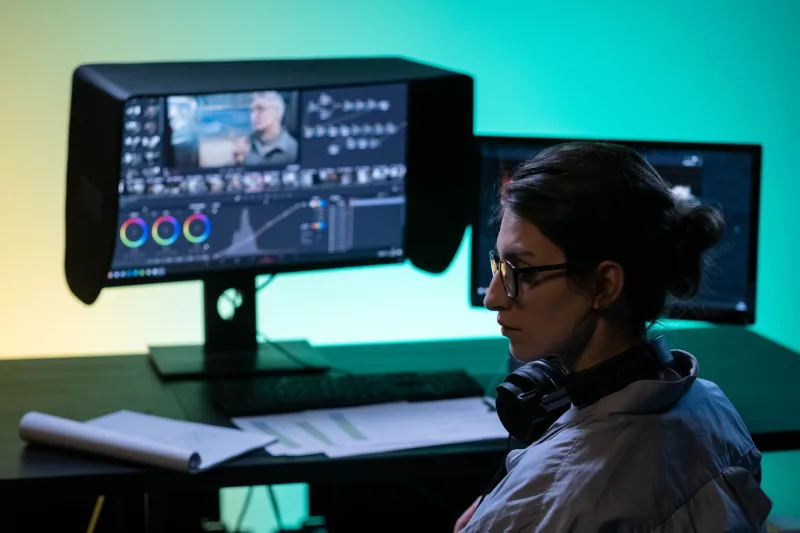
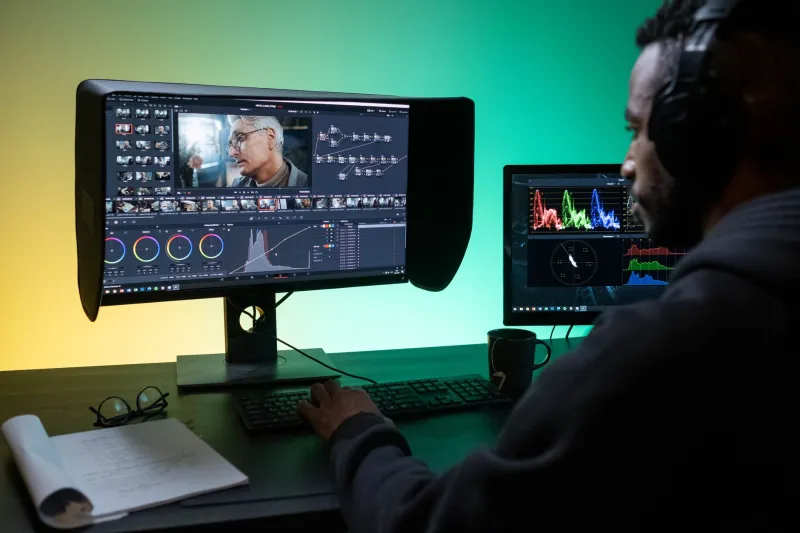
Picture comes first. Is the aspect ratio correct? Are the blacks crushing in that night-interview scene? Does the archival footage still read as archival, or has a conversion step made it look unnaturally clean? Independent docs often mix formats, and the DCP has to hold those choices together without sanding off the texture that made them meaningful.
Sound is next, and it is where small mistakes get loud. A documentary may move from a quiet kitchen table to a street protest to a soft score in a matter of minutes. In a theater, that range has to be checked at real playback levels. A mix that felt fine on a near-field monitor can become harsh in a large room or disappear under air conditioning. The QC pass is not about making the film louder. It is about making sure the film is present.
Subtitles and captions are their own minefield. Where do they sit? Do they collide with the lower-third names? Are they legible against a bright window? If the doc includes translated speech, the placement of those lines is part of the storytelling, not an afterthought. A subtitle that covers a subject's hands during a key moment is a delivery error that becomes an emotional error.
Then there is the unglamorous plumbing: the leader, the encryption keys if the DCP is encrypted, the file naming, the runtime, the audio channel mapping. None of it belongs in a review. All of it decides whether the review can happen.
The Fixes Nobody Puts in the Credits
A failed QC pass does not always mean disaster. Sometimes it means a re-render. Sometimes it means trimming a few frames of black, moving a subtitle, or adjusting a level. Sometimes it means discovering that a scene the director has watched a hundred times plays differently in a theater because the room is bigger and the audience is quieter.
That is the part outsiders miss. Theatrical delivery is not a copy-paste step after the creative work. It is a final translation. The filmmaker made a movie for a screen, and the QC team is making sure that screen gets the movie the filmmaker actually made.
For independent documentaries, those last fixes can be especially tender. A doc may depend on a single unguarded close-up, a half-heard phone call, a long pause in a courtroom. Those are exactly the moments that suffer when a DCP is rushed. A bad pass does not usually ruin a film in a dramatic way. It quietly reshapes it, taking a vulnerable scene and making it harder to hear, harder to read, or harder to trust.
Why Opening Night Is a Delivery Story Too
The red carpet gets the photos. The DCP gets the 2 a.m. emails. Both are part of how a documentary reaches an audience.
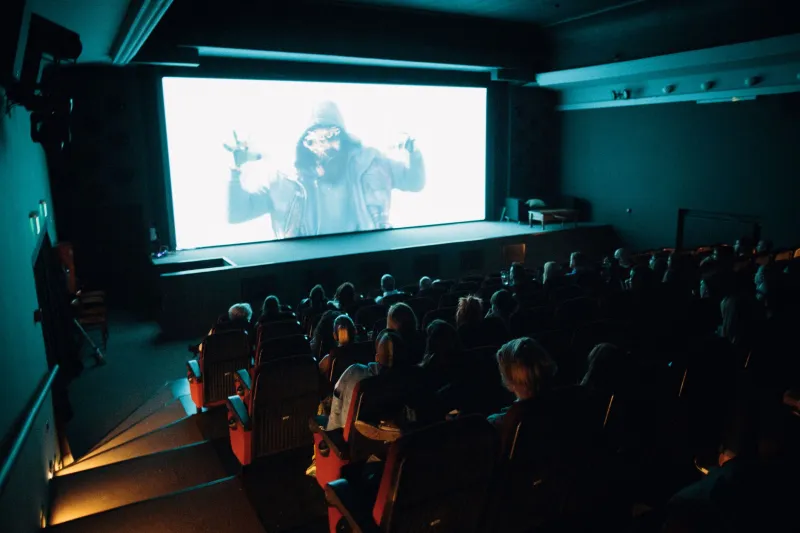
For US theatrical runs, especially in art-house rooms and specialty multiplexes, the margin for error is small. A theater may have one projector, one server, and one overworked projectionist who needs the package to work on the first try. If the doc arrives with an audio mapping issue or a subtitle that sits too low, the audience may never know why the screening feels off. They will just feel it.
That is why the quality check deserves more credit than it gets. It is not the glamorous part of independent film. It is the part that protects the glamorous part. The DCP is not the movie, but it is the version of the movie most people will actually meet. And on opening night, that is the only version that counts.