Neutral Is a Choice: The Invisible Color Work That Tells Indie Doc Audiences What to Trust
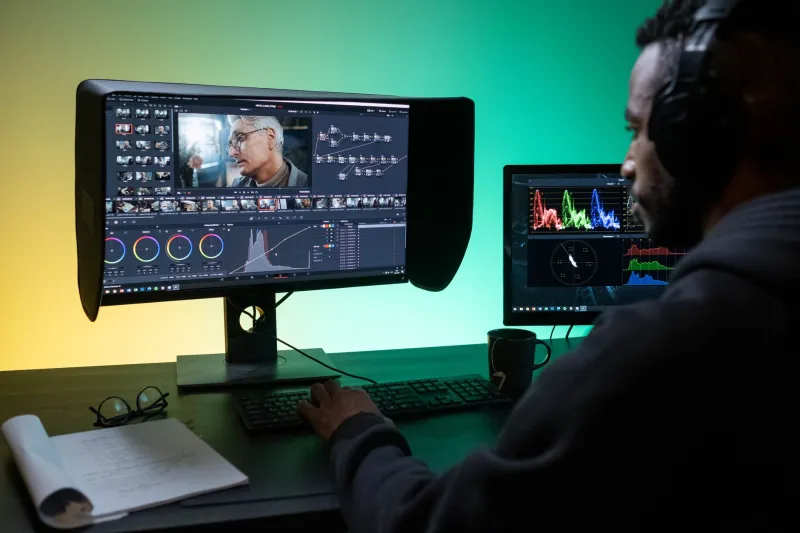
In a documentary color suite in Brooklyn or Burbank, the most important creative decision often looks like housekeeping. A director asks for a neutral pass. The colorist nods. Then comes the real conversation: neutral to what? The camera original? The archival tape? The memory the subject has been carrying for thirty years? In independent documentary, color correction is usually framed as cleanup. It is actually a chain of choices about credibility. The grade tells viewers what to trust before they have consciously decided to trust anything.
The myth of the neutral pass
There is no single neutral. A grade that looks natural on a calibrated monitor in a post house can turn muddy on a phone in a subway car. In 2026, US indie docs are delivered to festivals, streamers, and public television with different specs, sometimes including HDR and SDR trims. The colorist has to protect the image across all of them. That means deciding which version is the reference, how highlights roll off, and whether the shadows hold detail or crush into black. None of those calls are purely technical. A slightly lifted shadow can make a dim room feel observational. A deeper black can make the same room feel ominous.
Matching the archive without laundering it
Archival footage is where the ethics get sharp. A doc may combine 16mm, Betacam, phone video, and a modern digital camera. The colorist's job is to make those sources sit together without pretending they came from the same world. Full matching can be a kind of laundering. If you correct every magenta cast and erase every generation loss, a 1980s tape starts to look like it was shot yesterday. That may help a viewer stay engaged, but it can also smooth over the texture of the past. Many colorists keep some imperfections: a little gate weave, a little noise, a color shift that signals the source. The goal is legibility, not cosmetic perfection.
Skin tone is never just skin tone
Skin tone is one of the most loaded decisions in the suite. Colorists talk about memory colors - the tones viewers expect skin, sky, and grass to be. But expectation is cultural. In a doc with a diverse cast, a default grade can quietly favor lighter skin or cooler highlights. A good colorist protects faces under mixed lighting, especially in interviews shot in kitchens, churches, and community centers. Warming a face can make a subject feel inviting. Cooling it can create distance. Neither choice is neutral. The question is whether the look serves the story or flatters the production.
HDR, phones, and the delivery squeeze
HDR has become another pressure point. Documentary footage is often captured fast, with available light and consumer gear. Putting that material into an HDR container can expose noise, clipping, and inconsistent color that an SDR grade would hide. The colorist ends up doing a kind of translation: preserving the informational value of the image while keeping it watchable. Then there is the phone problem. A lot of US viewers will watch the finished doc on a screen that auto-adjusts brightness and saturation. A grade that only works in a dark theater is not finished. The colorist has to imagine the living room, the laptop, the commute.
When polish becomes a rewrite
The hardest calls are not about scopes. They are about meaning. If a grade removes a bruise, softens a harsh fluorescent green, or makes a cluttered room look serene, has the image been cleaned up or rewritten? There is no universal rule. A documentary can use beauty as a form of respect. It can also use beauty as a way to avoid discomfort. The useful test is simple: does the grade change what a viewer believes happened, or how they feel about what happened? If the answer is the second, the director and colorist should be talking about it. If the answer is the first, someone should be asking why.
The credits tell part of the story
Colorists are often listed far down the credits, after the lawyers and the mix. But their names belong to the storytelling. They are the people who decide whether a witness looks credible, whether an archive feels alive, and whether a room feels safe or threatening. The best documentary grade is invisible in the sense that it does not call attention to itself. It is not neutral. It is a series of visible choices made by people who care about what the image is doing. That is the grade behind the truth - and the reason the frame keeps its secrets.