The Cut You Can't See: Inside the Fair-Use Review That Reshapes an Indie Doc
You are watching a documentary at a festival. A song kicks in under a montage, an archival clip lands a punchline, and a subject says the line the whole movie has been building toward. It feels inevitable. It almost never is.
Weeks or months before that screening, the film had a different shape. Maybe the song was a well-known track the director always imagined. Maybe the archival clip ran twelve seconds longer. Maybe a narrator explained a legal nuance that is now gone. What changed was not the story, exactly. It was the legal cut: the version that emerges after lawyers, insurers, and clearance reviewers get their hands on a movie that everyone else considered finished.
The Review Starts After 'Done'
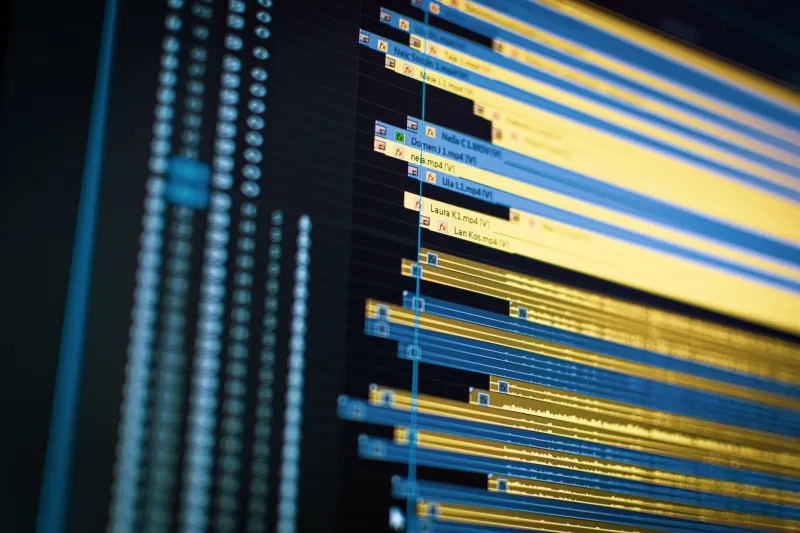
In independent documentary, picture lock is a creative milestone, not a final destination. Once the edit is locked, the film still has to pass through a quieter room. A producer assembles a clearance log: every archival image, every song, every clip of television, every logo, every background poster. A lawyer reviews the log and writes a fair-use opinion. An insurer reads that opinion and decides whether to issue errors and omissions coverage. A distributor or festival may require both before the film can be shown publicly.
That process is not a formality. It is a creative filter, and it can be a stressful one. The director has spent years shaping a story. The lawyer is thinking about four factors under U.S. fair-use doctrine: the purpose and character of the use, the nature of the copyrighted work, the amount used, and the effect on the market. Those are not abstract ideas in a law school classroom. They are reasons a scene might survive, shrink, or disappear.
Fair Use Is a Conversation, Not a Stamp
A fair-use opinion is often described as if it were a permission slip. In practice, it is closer to a negotiation. The lawyer asks what the clip is doing in the film. Is it illustrative? Transformative? Is it the heart of the work? Is there a market for licensing it? Could the film make the same point with less material? The answers shape the final cut more than most viewers would guess.
Sometimes the fix is small. A clip gets trimmed by a few seconds. A frame gets blurred. A song is replaced with a licensed track or a composer's cue. Sometimes the fix is structural. A sequence that leaned on archival footage is rebuilt around interviews. A narration line that made a legal claim gets softened. A joke that depended on a recognizable snippet is cut because the clearance cost is too high or the risk is too uncertain.
The director may agree with every change. The director may also feel that the film is being sanded down in real time. Both things can be true. The legal review is not designed to protect the story's rhythm. It is designed to protect the film from claims, and to satisfy the people who will distribute it.
The E&O Policy Is a Creative Collaborator
Errors and omissions insurance is one of the least glamorous forces in independent film, and one of the most powerful. Broadcasters, streamers, and many festivals want proof that a documentary is covered. To get that coverage, producers often need a clearance report, signed releases, and a fair-use opinion. The insurer may ask for changes before it will issue the policy. Those requests can arrive late, when the film is already being submitted to festivals or prepared for delivery.
This is where the legal cut becomes real. A last-minute rights decision can remove a scene that was in every trailer. A music replacement can change the emotional temperature of a closing montage. A narration tweak can make a complicated accusation more precise, or more cautious. None of these choices are visible in the final credits. Audiences see a finished film, not the trade-offs that made it defensible.
What Gets Cut, and What Gets Quietly Changed
The most obvious legal cuts are the ones people notice: a missing song, a shortened clip, a blurred logo. The more interesting changes are the ones that are hard to detect. A line of narration gets rewritten to avoid implying something the film cannot prove. A subject's on-screen title changes. A date gets clarified. A scene is reordered so that a legal caveat arrives earlier. These are not censorship in the dramatic sense. They are risk management, and they can alter how a story lands.
Filmmakers sometimes talk about the legal cut as a separate movie. It is not usually a director's cut or a festival cut. It is the version that exists because the film has to travel through the world of contracts, insurance, and distribution. If the changes are seamless, the audience never knows. If they are not, the audience may feel a hiccup without understanding why.
The Version You Never Hear About
Behind every independent documentary is a stack of decisions that do not make it to the screen. The legal cut is one of the most consequential. It can protect a film from a lawsuit, help it secure insurance, and clear the way for a release. It can also soften a sharp edge, replace a perfect song, or remove a scene that made the movie feel alive.
So the next time a documentary feels unusually cautious, or a music cue feels a little generic, or a sequence ends sooner than you expected, consider the room after the edit. The film you are watching may be the final cut. It is almost never the only one.