The Ending You Argue About in the Parking Lot
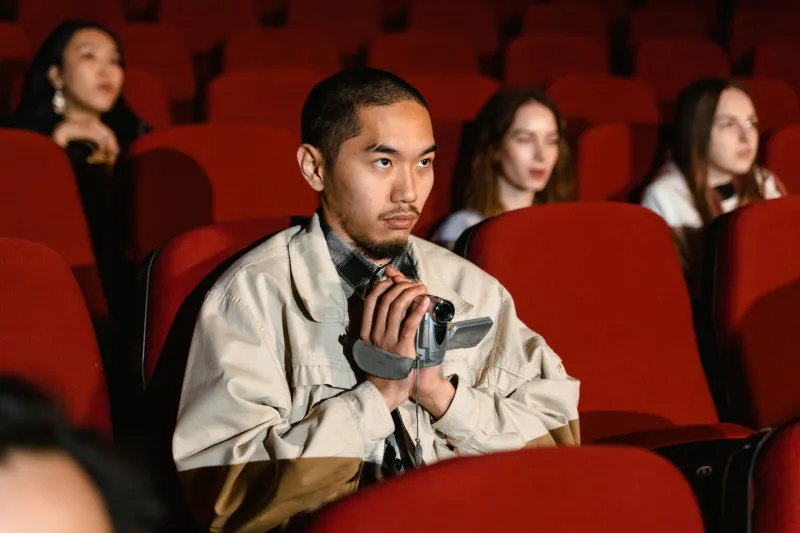
A documentary can be sharp, funny, intimate, and perfectly structured for 85 minutes. Then it hits the last five and something shifts. Maybe the music swells too hard. Maybe a title card explains too much. Maybe it just cuts to black on a face and lets the audience sit there. Whatever happens, that ending follows people out of the theater. It’s the thing they argue about in the parking lot.
That’s not accidental. The final minutes of an independent documentary are some of the most tested, reworked, and quietly negotiated material in the whole film. They’re also the part audiences rarely think about as craft. By the time we’re watching, the ending feels inevitable. Behind the scenes, it was often anything but.
The Screening Card Doesn’t Ask the Right Question
Test screenings are a standard part of indie documentary finishing, but the feedback cards are blunt instruments. They ask whether the ending felt “satisfying,” whether the story was “clear,” whether the viewer would recommend the film. Those questions can be useful. They can also miss the point.
A documentary ending isn’t a sitcom punchline. It doesn’t have to satisfy in the way a fiction film does. Sometimes the goal is to leave a question humming. Sometimes it’s to make the audience uncomfortable enough to keep thinking. A card that says “ending confused me” might be reporting a failure of clarity, or it might be reporting the exact effect the filmmaker wanted.
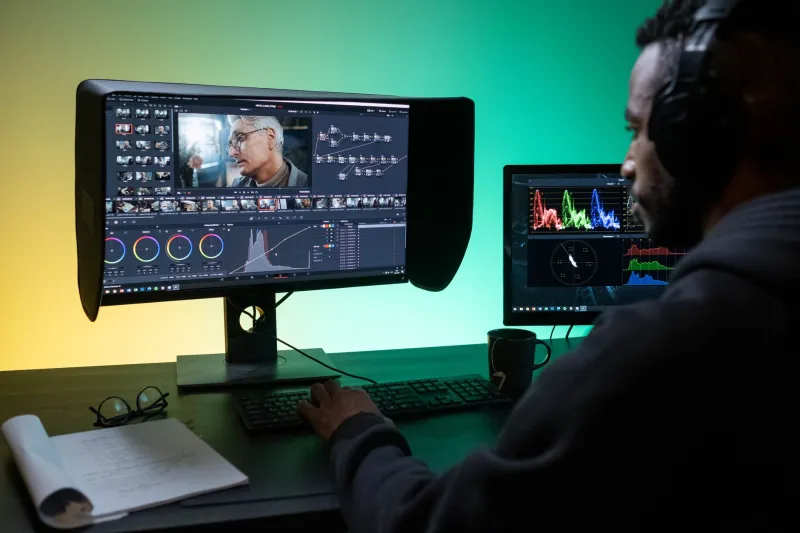
So editors and directors learn to read between the handwriting. They look at where people laughed, where they checked their phones, where the room went quiet. A post-screening Q&A can be more revealing than a stack of forms. If the first question is about the ending, that’s a signal. If nobody asks about it, that’s a different signal. The final cut is often adjusted based on a mix of data, instinct, and the specific kind of silence a room makes when the credits roll.
Closure Is Also a Distribution Decision
There’s a practical pressure baked into endings. Festivals can handle ambiguity. Streamers and broadcasters often want a clearer landing. Sales agents want a film that can be described in one sentence, and endings help seal that sentence. Filmmakers don’t like to admit it, but the last five minutes are sometimes where artistic instinct meets distribution reality.
That doesn’t mean every indie doc gets sanded into a tidy answer. It means the ending is a bet. A more resolved ending may travel wider. A more open ending may travel deeper with the audiences that find it. The trick is knowing which bet the film is making.
Some filmmakers cut two endings and screen both. Not because they’re indecisive, but because the ending changes the whole movie in retrospect. A final scene can turn 80 minutes of evidence into a verdict. It can also refuse the verdict entirely. Those are different films, even if 95 percent of the footage is identical.
The Score Is Doing More Than You Think
The last five minutes are also a sound problem. Music can make an ambiguous ending feel sentimental. Silence can make a resolved ending feel haunted. A temp track can fool everyone in the edit bay into thinking a scene works when it’s really just borrowed emotion.
Documentary sound teams often spend disproportionate time on the final stretch. Room tone, breath, a door closing, the hum of a refrigerator. These details tell the audience how to feel without telling them what to think. In a fiction film, that work is expected. In a documentary, it can feel invisible because the images look like reality. But reality doesn’t come with a mix. Someone chose that fade, that pause, that final note.
A common trap is over-scoring the ending. If the film has spent 80 minutes earning uncertainty, a big emotional cue can flatten it into a mood. The better choice is often restraint: let the last image carry the weight, let the sound drop out, let the audience hear themselves thinking.
Sometimes Withholding Is the Point
American audiences are trained to want answers. Documentary filmmakers know this. So when an indie doc withholds resolution, it can feel like a provocation. Sometimes it is. Sometimes it’s an ethical choice.
If the story involves an ongoing investigation, a family still in crisis, or a community that hasn’t consented to a neat bow, closure can be a lie. The filmmaker has to decide whether the ending belongs to the story or to the audience’s comfort. That’s not a decision you make once. You make it in the edit, in the mix, in the test screening, and sometimes in the theater when you hear how people react.
Withholding only works if it’s earned. An unresolved ending isn’t automatically profound. It has to feel like the only honest place to stop. When it does, audiences don’t leave frustrated. They leave activated. They keep the story running after the credits.
The Last Five Minutes Are a Handshake
A documentary ending is not just the last scene. It’s the film’s handshake with the audience. It says: here’s what we think this meant, or here’s what we’re refusing to conclude. It decides whether the movie travels beyond the festival circuit by giving people something to carry, argue with, and recommend.
That’s why the final cut is so hard to lock. The ending has to serve the story, the subjects, the distributors, and the room. It has to be clear without being closed. It has to land without landing too hard. And when it works, it disappears. You don’t notice the craft. You just notice that you’re still thinking about it in the parking lot.