The Second Release: How Impact Producers Keep an Indie Doc Alive After the Credits
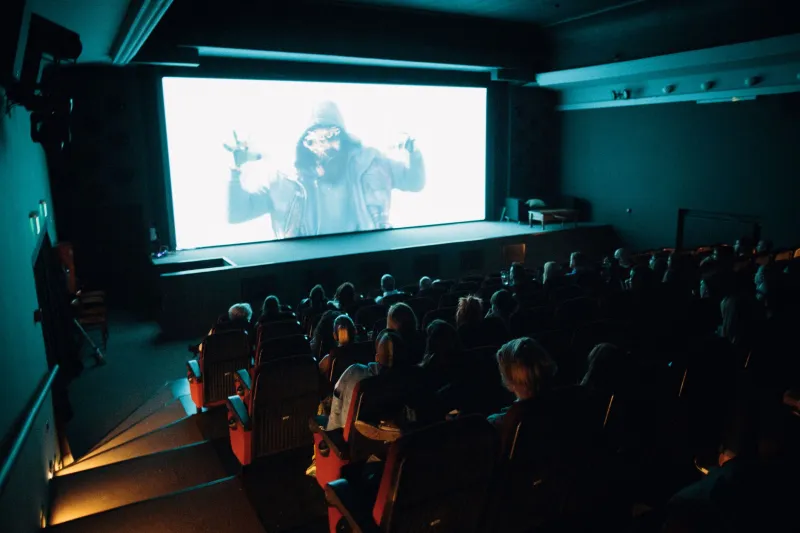
You watch the doc. The credits roll. The house lights come up. Maybe there is a Q&A, maybe not. Then everyone files out, and the film begins the part of its life most audiences never see.
That is where the impact producer goes to work.
Not the publicist. Not the distributor. Not the director doing a festival sprint. The impact producer is the person who asks a different question: after someone watches this story, what should be possible that was not possible before? The answer is rarely a single screening. It is a campaign—coalitions, discussion guides, targeted outreach, local partnerships, and a measurement plan that tries to turn a ninety-minute experience into something that lasts.
And yet, in most cases, their name is not on the screen.
The Room After the Screening
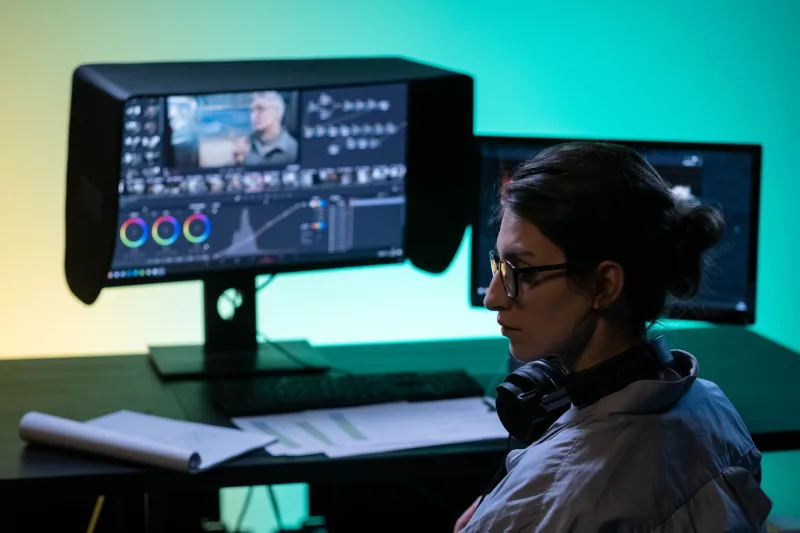
The impact producer often enters before the final cut is locked. They sit in rough-cut screenings and listen less for pacing than for pressure points: which scene will a school board member clip for a hearing? Which moment will a pastor use in a sermon? Which image will a local reporter put above the fold? They are not editing the film, but they are editing the film's afterlife.
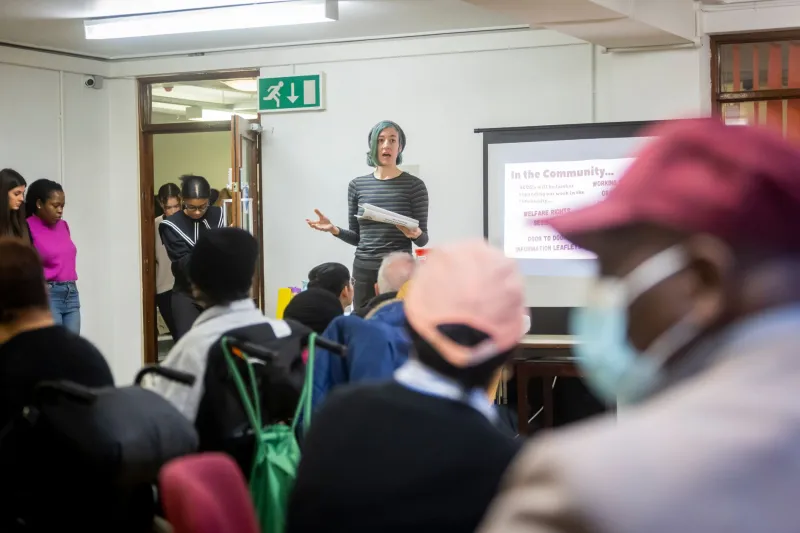
In the US, that afterlife can look like a church basement in Georgia, a union hall in Ohio, a library in rural Oregon, or a college classroom in Arizona. It can mean a screening for state legislators followed by a briefing. It can mean a toolkit for teachers who want to discuss housing policy without turning the room into a fight. It can mean a partner list that includes the NAACP, a local tenants' group, a public defender's office, and a film festival—groups that do not always share a conference call, let alone a strategy.
The craft is translation. The film has its own language: image, rhythm, silence, argument by accumulation. The campaign needs another language: a one-page brief, a call to action, a coalition memo, a press kit that does not flatten the story. The impact producer lives between those languages. They protect the film's complexity while making it useful to people who have fifteen minutes and a meeting agenda.
Coalitions, Not Just Audiences
A distributor asks how many people will watch. An impact producer asks who will use it.
That distinction changes everything. A documentary about eviction is not just a film for people who care about eviction. It is a tool for tenant organizers, legal aid attorneys, city council staffers, and journalists who need a human entry point into policy. A documentary about maternal mortality is not only for health care workers. It is for doulas, hospital administrators, state representatives, and the family members who will forward it to a cousin.
The impact producer maps those groups and then does the unglamorous work of relationship-building. They send screeners. They host calls. They explain why the film is not an attack on a specific hospital or a specific agency, even when the film is critical. They negotiate screening terms, manage expectations, and sometimes sit between a filmmaker who wants to protect every nuance and an advocacy partner who needs a clear ask.
In 2026, as independent documentary budgets tighten and theatrical windows shrink, that coalition work matters more, not less. A film that cannot afford a national ad campaign can still travel through trusted networks. But those networks are not automatic. They are built by people who know the difference between a mailing list and a movement.
The Metrics Problem
Impact producers are asked to prove something that is hard to prove. Did the film change a policy? Did it shift a conversation? Did it move a local newspaper's editorial board? Did it help a coalition win a budget line?
The honest answer is often: the film contributed. It was one part of a larger pressure system. That answer does not fit neatly into a grant report.
So the work becomes a mix of storytelling and evidence-gathering. The impact producer tracks screenings, partner commitments, earned media, legislative mentions, and audience surveys. They collect quotes from organizers who used the film in a campaign. They document the moment a city council member cited a scene during a hearing. They build a case that the film did something, without pretending it did everything.
That is a delicate line. Overclaim, and the campaign sounds like marketing. Underclaim, and funders wonder why they paid for outreach. The best impact producers are honest about the limits of a movie. A documentary can open a door. It cannot walk through it for you.
The Consent Question
The ethical tension runs deeper than metrics. When a film becomes a campaign, the people in it can become evidence, symbols, or case studies. That can be useful. It can also be a second act of exposure that no release form anticipated.
An impact producer has to ask: does the subject know where this film is going? Do they understand that their face may appear in a lobbying packet? That their story may be quoted in a statehouse hearing? That a partner organization may use a clip in a way the filmmaker never intended?
These conversations are not always comfortable. They happen after the glow of the premiere, when the film is no longer just a creative project but a public resource. The impact producer is often the person who has to slow down the campaign long enough to check consent again. That work rarely makes the press release. It is part of the invisible craft.
Why the Name Isn't on Screen
There is no standard credit for impact producing. Sometimes the role appears in the crawl, buried between a fiscal sponsor and a post-production house. Sometimes it does not appear at all. The omission is not malice. It is a habit—a leftover from a time when documentaries were judged mostly by what happened on screen, not by what happened after.
But the second release is real. It is the screening in a church basement, the toolkit downloaded by a teacher, the coalition meeting where a clip becomes a shared reference point. It is the campaign that decides whether a film changes anything beyond the people who happened to see it in a theater.
So the next time the credits roll, stay for a second. The names you do not see are still working.