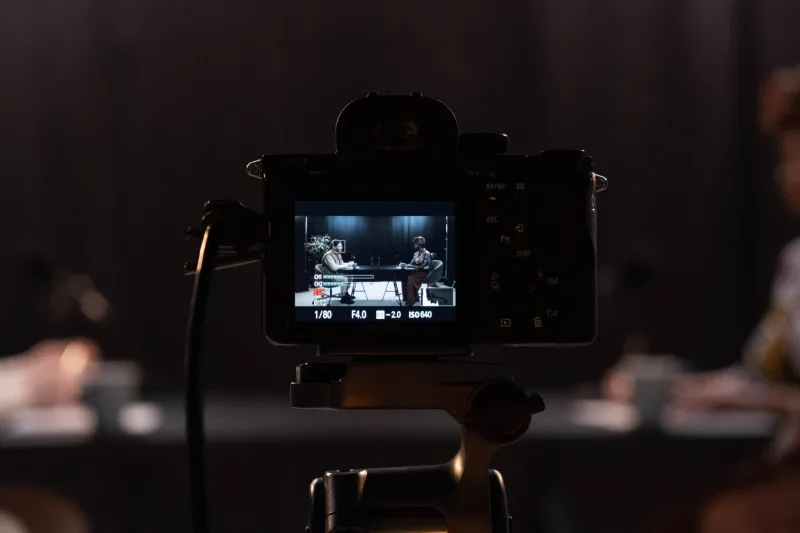
What the Subtitle Leaves Out: The Invisible Craft of Translating Indie Docs for US Viewers
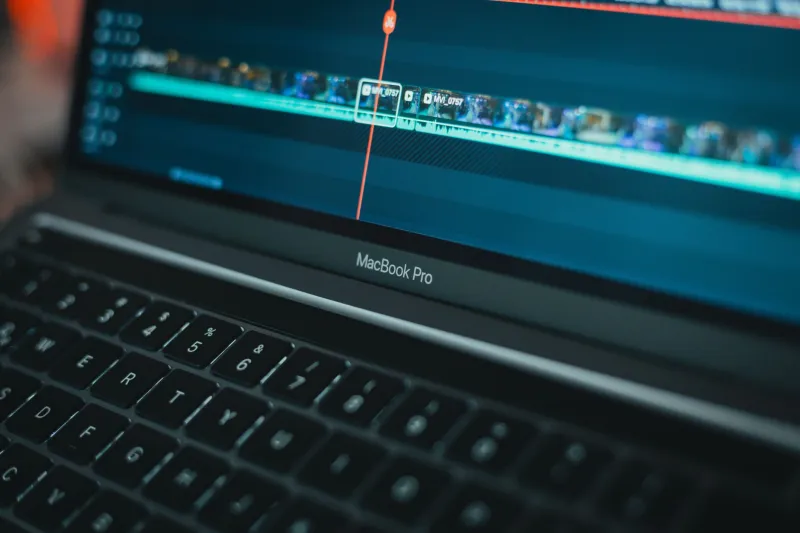
A subtitle looks like a simple thing: a line of dialogue, rendered in another language, placed at the bottom of the frame. It is not simple. It is a series of choices made at speed, under constraints, by people whose names rarely appear in the credits. And those choices can reshape a documentary as surely as a re-edit can.
For independent documentaries crossing into the US market, translation is not a cleanup step. It is craft. A translator has to decide how a subject sounds, not just what they say. A subtitle editor has to decide how long a thought can stay on screen without breaking the viewer's attention. A director has to decide whether a joke should land, a curse should sting, or a pause should be preserved. None of that is automatic.
A Subtitle Is a Series of Choices
Start with the obvious problem: speech is messy. People interrupt themselves, repeat words, trail off, and use slang that does not have a tidy equivalent. A transcript can capture every um and false start. A subtitle cannot. It has to compress, clarify, and sometimes interpret.
That means the translator is always deciding what matters. Is the subject's grammar part of their character? Is a regional expression a sign of class, place, or attitude? Does a formal pronoun carry a relationship that English cannot easily reproduce? In Spanish, for example, the choice between tú and usted can signal intimacy, respect, distance, or insult. In English, that choice often vanishes unless the subtitle adds a word that was not spoken.
Those decisions are not errors. They are translations. But they are also creative acts, and they can make a subject seem warmer, colder, sharper, or vaguer than they sounded in the original.
The Joke Problem
Humor is where subtitling gets exposed. A pun rarely survives a literal translation. A cultural reference may mean nothing to a US audience. A joke that depends on a local accent or a celebrity nickname can die on the screen. The translator has to choose: explain it, replace it, or let it go.
Each option changes the scene. An explanatory subtitle can kill a punchline by over-explaining it. A replacement joke can keep the rhythm but invent a reference the subject never made. Letting it go can preserve the pace but lose the moment entirely. The best subtitle editors think like editors, not stenographers. They ask what the joke is doing in the scene, not just what the words mean.
Testimony Has a Register
Documentary depends on testimony. A subject says something that sounds raw, tentative, furious, or exhausted. The subtitle has to carry that register. If it smooths a halting sentence into polished prose, the audience may hear confidence where there was doubt. If it preserves every stumble, the line may become unreadable on screen.
The pressure is especially high in films about politics, violence, or family conflict. A single word can shift blame, imply certainty, or soften an accusation. Translators and directors sometimes argue over those words. The director may want the subtitle to match the emotional truth of the scene. The translator may want it to match the literal meaning. The subtitle editor may want it to fit within a character limit. The final line is a compromise, and the audience rarely knows it.
Dubbing Changes the Room
Dubbing raises the stakes. A voice actor is not just translating. They are performing. They have to match the original timing, breath, and emotion while making the words sound natural in English. A good dub can make a foreign-language documentary feel immediate to viewers who avoid subtitles. A bad one can make a subject sound like a character in a different movie.
US audiences often have strong feelings about dubbing, but the craft behind it is rarely discussed. Directors may supervise the dub remotely. Translators may adapt the script for lip sync. Voice actors may record alone, reacting to a performance they can only hear. The result can be seamless, or it can quietly change the temperature of a scene.
The Version You Think You Heard
Subtitling and dubbing are invisible when they work. That is the point. The viewer is supposed to forget that someone made a thousand small decisions so the story could travel. But those decisions matter. They can soften a subject's voice, sharpen a scene, or change what an audience believes it heard.
For independent documentaries, that invisible craft is part of the release. It is not just access. It is interpretation. The next time a subtitle lands perfectly, or a dubbed line feels a little off, remember the room where the translation happened. The story beneath the frame often speaks in more than one language.