What You Don’t Hear: The Sonic Architecture of Independent Documentary
In a dark theater, the image gets the credit. The face, the landscape, the archival clip. But ask anyone who has sat through a rough cut with and without a finished soundtrack: the story lives in the space between sounds. Documentary sound design is the invisible edit — the work that decides which room tone becomes memory, which pause becomes pressure, which silence makes an audience lean forward.
The First Cut Is a Listen
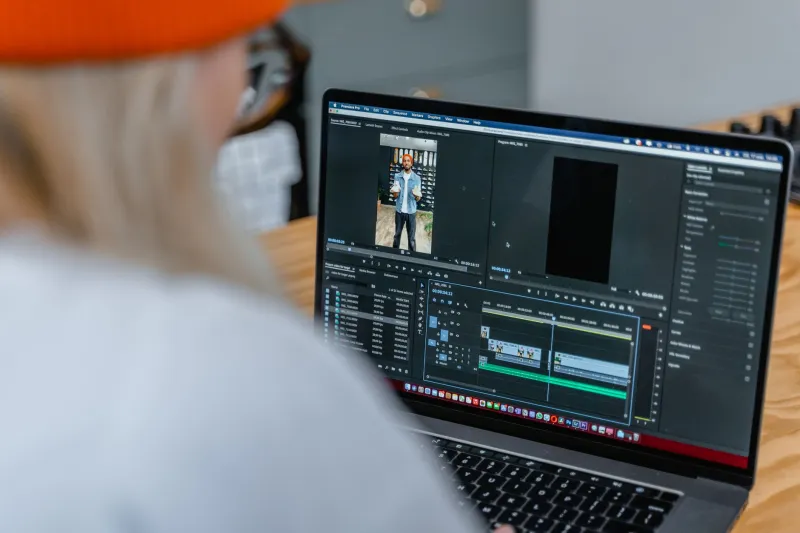
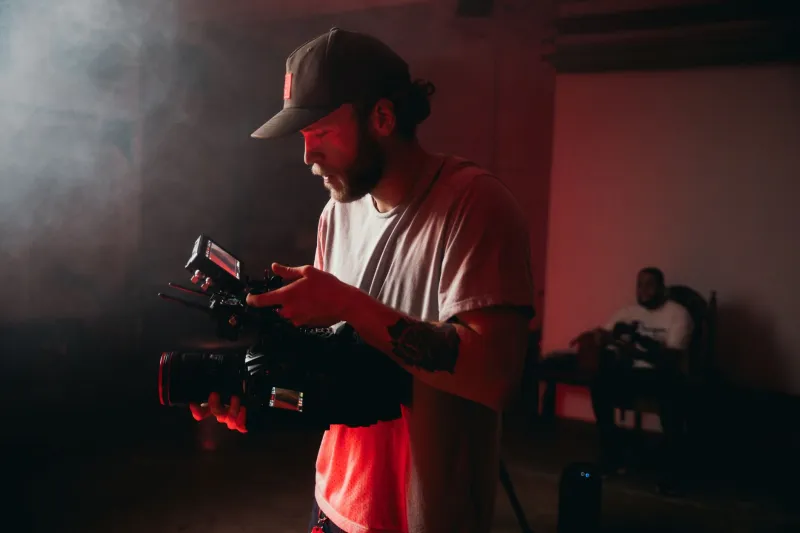
In independent documentary, sound design rarely begins in a fancy post house. It begins in the edit, often with a director and an editor staring at a timeline full of location audio that refuses to behave. Indie crews record in real places: a bus depot in Ohio, a kitchen in East Los Angeles, a courthouse hallway where the HVAC sounds like a jet engine. There is no luxury of a quiet stage. The sound designer’s first job is forensic — find the usable thread in the noise.
That forensic work shapes narrative. A scene may be cut because the audio tells a cleaner story, not because the visuals are stronger. A reaction shot may be held a beat longer because the room tone underneath it carries the emotional weight. Designers describe building a ‘sonic spine’ for a film: a consistent low-level world that lets viewers trust where they are, even when the footage jumps across months or miles.
Silence Is a Scene Partner
The most powerful tool in documentary sound is often the absence of sound. Silence can signal grief, shock, dread, or intimacy. But real silence is rare. What audiences hear as silence is usually designed: room tone cleaned and shaped, distant traffic pulled down, a refrigerator hum removed so a single breath can land.
In one 2025 festival documentary about a family clearing out a childhood home, the sound team reportedly spent days deciding how much silence to leave after a difficult question. Too much, and the scene felt staged. Too little, and the answer lost its air. That kind of decision does not show up in a credit crawl, but it is as authored as any camera move. Silence gives the audience room to feel without being told what to feel.
The Ethics of Sonic Manipulation
Documentary sound designers walk a line. Adding a subtle room tone to smooth an edit is standard craft. Adding a clock tick that was never there to imply deadline pressure is something else. The difference is intent and disclosure. Most indie sound teams operate with an internal rule: enhance the world that existed, don’t invent a world that changes the facts.
Still, sound is persuasive. A low drone can make a neutral building feel ominous. A soft piano pad can turn an ambiguous ending into a sad one. In independent documentary, where budgets are small and editorial oversight can be thin, the sound mix becomes a final rewrite. The ethical guardrail is not a lack of manipulation — it is whether the sonic choices serve the film’s truth rather than replace it.
The Indie Budget Reality
Independent sound designers often work as one-person departments. They record foley in apartments, clean dialogue with free plugins, and borrow mix time from friends. That constraint can produce inventive choices. Without a full orchestra, they use location recordings as score. A train passing becomes a transition. A neighborhood kids’ game becomes a motif. The limited palette can make docs sound more specific, not less.
The Streaming Ear
Streaming changed the mix. Many viewers watch documentaries on laptops or phones with tiny speakers. Designers must make sure critical information sits in the midrange, where it survives. They also fight platform normalization, which can flatten dynamics. A whisper and a shout may arrive at similar loudness. The craft is making intimacy audible without crushing the dynamic range that gives a scene life.
The Mix Is the Final Rewrite
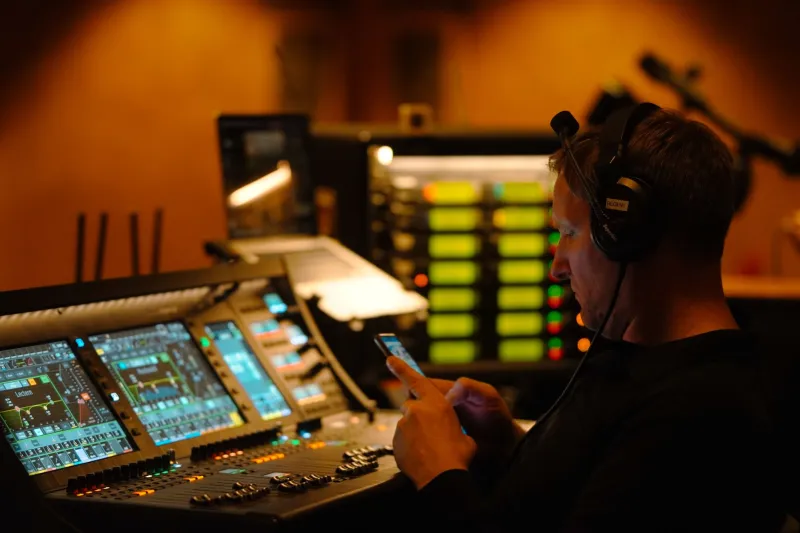
By the time a doc reaches the mix stage, the story has already been cut and recut. Sound designers are often the last people to touch the film before it goes out into the world. They balance for theaters, laptops, and phones. They make sure a whispered interview survives a noisy streaming environment. They decide which ambient details to keep and which to let disappear.
That invisibility is the point. If the audience notices the sound design, it may be working too hard — or it may be a stylistic choice. Either way, the craft is everywhere: in the pause before a confession, the hum of a fluorescent light, the sudden quiet after a door closes. Behind the visible image is an audible world doing quiet narrative labor. The best documentary sound design does not announce itself. It makes the story feel real enough to believe.