Who Finishes the Sentence: Directing Around a Death in the Middle of an Indie Doc
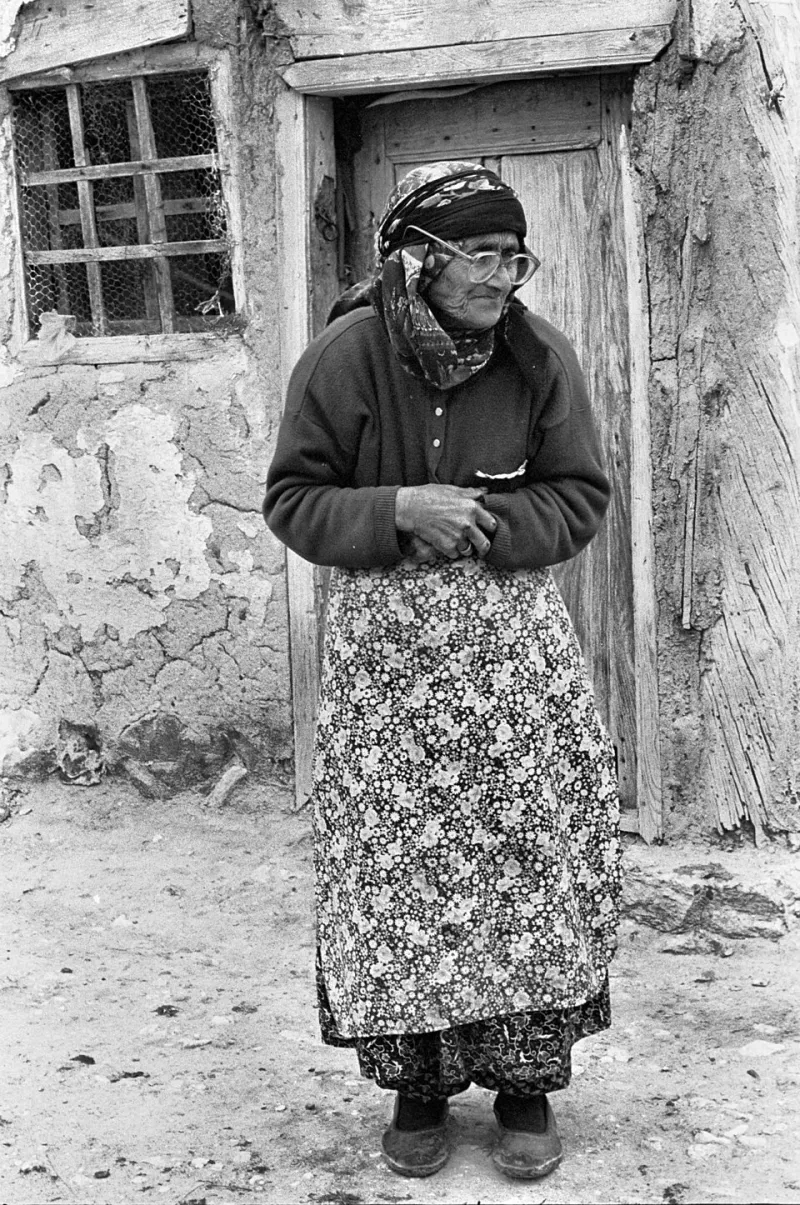
Photo: runran, CC BY-SA 2.0, via Wikimedia Commons
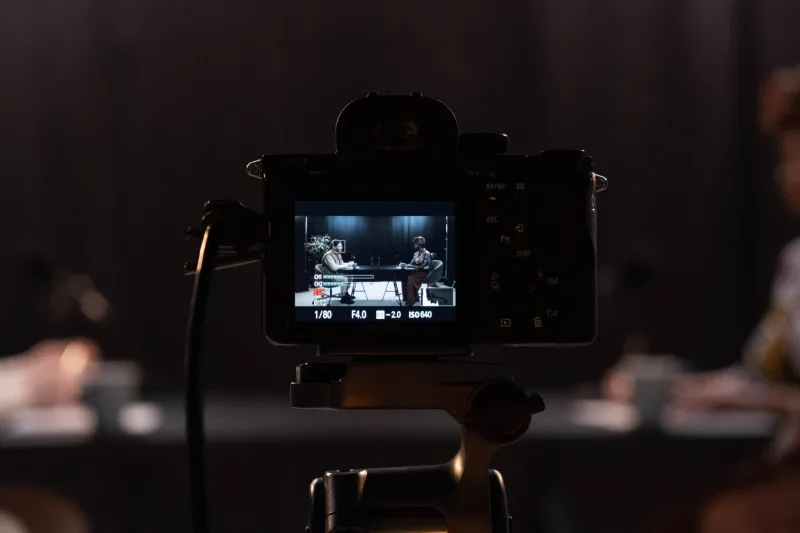
The chair is still in the frame. Maybe it is a kitchen chair with a sweater over the back, or a folding chair in a community center, or the passenger seat of a pickup. The microphone was taped down. The light was set. And then the person who was supposed to sit there died before production wrapped.
For independent documentary filmmakers, this is not a rare hypothetical. Docs often shoot over months or years, and the people at the center of the story are not characters on a schedule. They get sick. They move. They pass away. The film does not get to stop being a film, but it does have to become a different one.
The Paperwork Doesn't Grieve on Schedule
The first shift is legal, and it is colder than anyone wants to admit. A release signed in pre-production is not a magic permission slip that survives every future use. Contracts, footage rights, and the estate's authority all need a fresh look. In the US, postmortem publicity rights vary state by state — some are narrow, some are broad, and a documentary's fair-use defense is not a blanket excuse to ignore the family's wishes. A director may need to talk to an estate lawyer before talking to an editor.
But the legal question is only the surface. The harder question is whether the film still has consent for the story it is now telling. The subject agreed to be filmed in one version of events. Death changes the version. It does not automatically change the agreement, but it changes the meaning of every scene around it.
The Half-Answer Is the Whole Problem
Unfinished interviews are their own genre of heartbreak. A participant starts a thought, stops, laughs, says they will finish it tomorrow. Tomorrow does not come. In the edit, that half-answer can become a whole thesis if you cut it wrong. A pause can look like wisdom. A shrug can look like resignation. Music can turn a neutral memory into a confession.
The ethical move is not to pretend the footage is complete. It is to leave the seams visible. On-screen text can establish what was happening and when filming stopped. Archival material can carry context the subject did not get to provide. A narrator can be used sparingly, if at all. What the film should avoid is the quiet forgery of making a dead person agree with an argument they never heard.
Grief Is Not a Third Act
Death can look like structure. It arrives, it raises the stakes, it gives the last twenty minutes a built-in crescendo. That is exactly why filmmakers have to be suspicious of it. The subject did not sign up to be a symbol. They signed up to be a participant.
The useful test is simple: did this person give us a stake in this story, or are we borrowing their absence? If the film's final act depends on the audience mourning someone they barely met, the movie may be using grief as a shortcut. If the final act instead follows the consequences of a life that was already in motion, the death can be present without becoming the product.
What Gets Kept, What Gets Cut
Most docs keep the scenes that were already doing the work before the loss: the subject explaining their job, arguing with a neighbor, joking with a grandchild, walking through a place they loved. Those scenes are not memorial footage. They are evidence of a person. They usually belong in the film.
What tends to get cut is more revealing. Medical details that were shared in confidence. Family fights that happened after the funeral. Speculation about cause or blame. Anything that turns a private death into public proof. An estate may want the film to protect a reputation; a director may want the film to protect the story. Both can be legitimate. Neither gets to erase the other by default.
Some films add a title card noting that the subject died during production. Some note that the family supported the finished film. Those gestures can be honest, but only if they are true. A card that says the film was completed with the family's blessing is not a moral cleanup crew. It is a factual statement. Audiences in the US have gotten good at spotting the difference between a tribute and a disclaimer.
The Edit Room's Quiet Ritual
Editors often build what one documentary cutter I know calls an absence map: a timeline of where the subject should be and is not. That map can be practical — it shows which scenes now need a new spine — and it can be emotional. The room gets quiet. Someone makes a bad joke. Someone else leaves for coffee.
The craft choice that matters most is restraint. No swelling strings over the empty chair. No slow push-in that tells the audience how to feel. No ghostly voice treatment that makes a real person sound like a memory before the film has earned it. Let the room tone sit. Let the pause be a pause. If the subject was funny, keep them funny. If they were difficult, do not sand that down into sainthood.
Talking to Audiences Without Turning Them Into Mourners
Press notes and festival Q&As are part of the edit, in a way. A filmmaker can explain the production timeline without turning the conversation into a funeral. They can say plainly that the subject died before filming was complete, that the estate was involved, and that some material was left out at the family's request. That kind of candor does not weaken the film. It gives the audience a way to trust what they are watching.
What does not help is the language of exploitation dressed up as sensitivity: brave battle, tragic loss, final testament. A documentary is not an obituary. It is an argument, a portrait, a record of a life in public. The person at the center of it deserves to be more than the reason the film got finished.
The empty chair is not a hook. It is a responsibility. The best independent docs do not finish the sentence for the person who is gone. They leave the sentence where it stopped, and they make sure the audience knows who was speaking.